PRODUCT TESTING & VALIDATION / ILLUSTRATIVE ENGAGEMENT 03
CDMO Search for Sterile
Ophthalmic Scale-up
A hypothetical external manufacturing route for a first pilot campaign.
THE DECISION
Which CDMO can take a preservative-free ophthalmic formulation from a laboratory process into a controlled, low-volume aseptic pilot campaign?
Campaign Context
A hypothetical ophthalmic team has promising formulation data and needs a partner with sterile fill-finish capability before investing in a larger development programme. The external route must be practical for a small campaign, but rigorous enough to reveal scale-up, packaging and release risks early.
The Pilot Campaign Brief
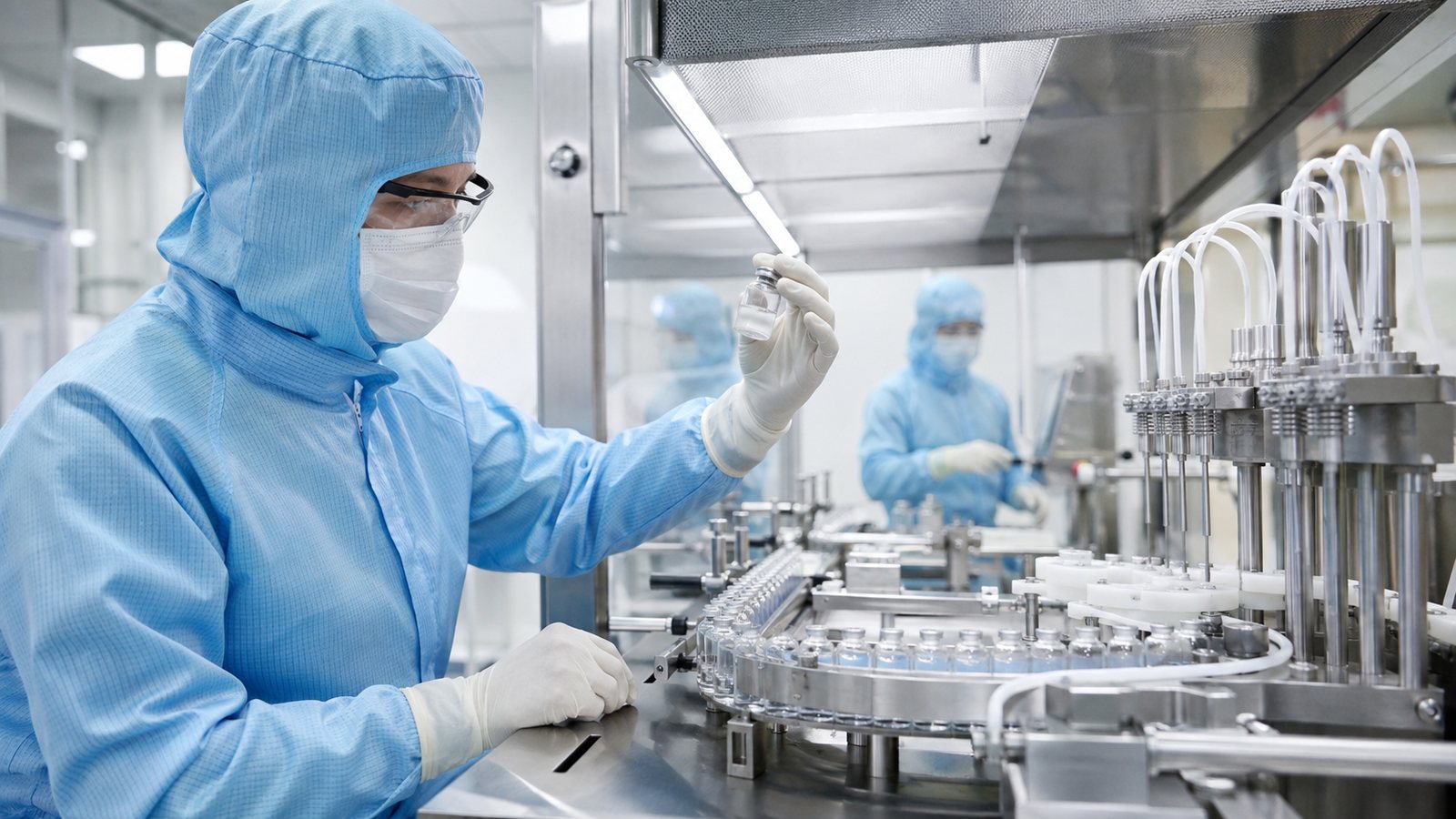
The brief is built around the operating choices that determine whether a CDMO is genuinely suitable for the first campaign.
Compatibility with the intended sterile process, hold time and primary container.
Appropriate aseptic filling format, line scale, container handling and visual inspection.
Process development support, in-process checks, microbiological controls and release pathway.
A realistic low-volume batch size, material minimums and scheduling route for a pilot run.
Evidence needed to refine the process, packaging choice, technical transfer plan and next investment decision.
How Providers Are Compared
Rather than scoring a generic supplier list, the comparison focuses on the campaign constraints that can change the route: sterile process fit, small-batch practicality, container experience, development support, quality-system expectations and the timing of a feasible engineering or pilot run.
How the Project Would Be Delivered
August Research would work alongside the client team in three practical stages: define the pilot decision and campaign constraints; match and assess a small number of credible CDMO routes; then coordinate targeted technical discussions so the preferred provider can confirm fit, constraints and next actions. The CDMO remains responsible for technical proposals, manufacturing operations, quality systems and formal documentation.
Illustrative Timing
Illustrative project assumptions only: approximately 4 to 6 weeks to define the brief, assess potential CDMO routes and complete initial technical discussions. Primary-research timelines are indicative and depend on provider availability, response times, scope complexity and the availability of technical inputs.
Illustrative Output Pack
The resulting decision pack would make the proposed CDMO route clear before a team commits material and internal resources.
Campaign definition A one-page campaign frame covering product presentation, indicative batch need, fill-finish assumptions, controls and decision points.
CDMO route comparison A short comparison of suitable partners, showing the capability fit, likely constraints, outstanding questions and reasons to advance or pause each conversation.
Technical discussion agenda A focused set of questions for the preferred CDMO on equipment fit, line configuration, material readiness, development support, quality responsibilities and achievable timings.
Recommended next step A concise recommendation on whether to request a technical proposal, refine the formulation or packaging assumptions, or redirect to a different external route.
Let's Discuss Your Project
August Research can translate an early formulation or product question into a practical external capability brief, identify appropriate CDMO routes and help your team enter provider discussions with the right technical questions.
Note: This is a hypothetical illustrative engagement, not a client case study. The assumptions and possible outputs are conditional and are not presented as actual client outcomes. The selected CDMO and responsible parties remain responsible for manufacturing, quality systems, regulated work and formal documentation.