PROTOTYPE FEEDBACK STUDIES / PHASE 1 SERVICE PAGE
Turn Early Reactions
Into Better Product Decisions
Structured feedback from the people who may use, buy, specify, sell, support or enable your product.
THE BUSINESS QUESTION
What should change in this prototype before it becomes costly, difficult or politically hard to change?
A Prototype Is Not a Finished Product Seeking Approval
Prototype Feedback Studies are designed to expose assumptions while they can still be changed. Instead of asking participants whether they “like” an idea, August Research puts an appropriate prototype, workflow, sample, packaging route, interface or service journey in front of the people who will encounter it in the real world. We learn where they understand the value, hesitate, adapt the proposition or see a reason not to proceed.

The Feedback Field
The right feedback does not always come from one audience. A consumer product may need the perspective of a buyer, a retailer and a service partner alongside the person using it. A B2B proposition may need operators, procurement, technical specifiers and channel partners. The mix is selected around the product decision, not a fixed number of interviews.
USE
Consumers, users, patients, operators or technicians
Will this fit daily behaviour, workload, expectations and constraints?
BUY
Buyers, procurement teams, retailers, distributors or channel partners
Is the value clear enough to justify selection, placement, budget or commercial risk?
ENABLE
Suppliers, vendors, installers, service teams, sales teams or internal delivery teams
Can the product be supplied, explained, supported and delivered as proposed?
SPECIFY
Technical specifiers, consultants, advisers or influencers
What proof, standards, detail or assurance is needed before they recommend it?
THE PROTOTYPE
A physical sample, workflow, screen, packaging route, interaction model or service stimulus
The prototype is deliberately matched to the question. It need not be finished, but it must make the decision visible.
CHALLENGE
Non-users, lapsed customers, alternative providers or sceptical stakeholders
What would prevent adoption, selection or trust, even if the core audience responds positively?
SELL
Commercial teams, account leads or customer success teams
Can the proposition be explained honestly and carried into a customer conversation?
GOVERN
Privacy, regulatory, quality, safety or brand stakeholders where relevant
What claims, boundaries or conditions must be addressed before a pilot or launch?
DECIDE
The client product, R&D, innovation or commercial team
What should be retained, revised, simplified, tested again or deliberately not built?
What We Test
- Value clarity Can participants quickly understand what the prototype does, why it matters and how it differs from the alternatives they know?
- Practical fit Does the product, service or workflow fit the setting, routine, purchasing process or operating model in which it will be used?
- Choice and trade-off Which features, claims, formats, price cues or service elements make a material difference to preference or confidence?
- Friction and failure points Where do participants become confused, lose trust, expect more proof or describe a reason the proposition could fail?
The August Research Prototype Reading
We do not reduce feedback to a single approval score. Each session is designed to generate observable evidence: what a participant notices first, how they interpret it, what they attempt to do, what they ask for and what would need to change for the proposition to earn a stronger response. This helps the client team separate a promising direction from a prototype that merely receives polite interest.
01
FRAME THE QUESTION
Agree the product decision, the unknowns that matter now, the appropriate prototype fidelity and the decisions that the research should inform.
02
SELECT THE FIELD
Recruit participants whose role gives them a genuine reason to use, buy, specify, sell, support or challenge the proposition.
03
WATCH THE RESPONSE
Use moderated tasks, scenarios, handling exercises and follow-up probing to reveal response rather than collect abstract opinions.
04
TRANSLATE INTO CHANGE
Compare signals across participant roles and turn evidence into a prioritised prototype change agenda with a clear next decision.
Why August Research
Our distinctive value is the way we design the participant field around the whole product system. Feedback is not treated as interchangeable. A buyer’s commercial concern, an operator’s practical obstacle and a supplier’s delivery condition are captured separately, then brought together to show where a product proposition is aligned, where it is conditional and where it is likely to break.
This gives teams a more useful answer than “positive feedback”. It produces a defensible view of which changes will improve the prototype for the people who matter, and which requests would create noise, scope creep or a proposition that no longer serves its original decision.
Illustrative Outputs
- Prototype Change Agenda A ranked record of what to retain, revise, simplify, test again or remove.
- Participant-Role Evidence Map Where user, buyer, operator, partner and internal perspectives reinforce or conflict.
- Friction and Claim Register The points that create confusion, objection, over-promise or support burden.
- Next-Prototype Brief A practical direction for the next iteration, a focused pilot, further validation or a pause.
Where Prototype Feedback Studies Create Value
- New product development Before a physical product, formulation, pack, feature or proposition is locked for a wider pilot or launch.
- B2B solution design When a technical or operational product needs to work for the user, buyer, implementation team and commercial channel.
- Service and experience design When a new service journey, onboarding route, support model or digital workflow needs to make sense across several roles.
- Product refresh or recovery When an existing offer is underperforming, being redesigned or entering a new segment and the team needs grounded direction before reinvestment.
Frequently Combined With
- Customer or Stakeholder Interviews
- Technical Expert Panels
- Proof-of-Concept Evaluation
- Product Testing and Validation
- Go-to-Market Research
Frequently Asked Questions
Do we need a finished prototype? No. The stimulus should be credible enough to test the question at hand. It may be a physical sample, storyboard, mock-up, workflow, interface, service script or a combination of these.
Who should give feedback? The right mix depends on the decision. We may include users, buyers, suppliers, vendors, operators, distributors, specifiers, support teams, people who do not use the product or other stakeholders who can materially affect adoption or delivery.
Is this just usability testing? No. Usability may be one part of the work, but the study can also test value, commercial fit, specification needs, claims, service delivery, partner readiness and practical barriers.
Does the research replace technical validation or compliance work? No. It informs product and commercial decisions. Formal testing, certification, regulatory assessment and technical accountability remain with the appropriate client teams and specialist providers.
Let's Discuss Your Prototype
August Research can help you put the right version of a prototype in front of the people who will shape its success, then turn their feedback into a decision your team can act on.
Illustrative Engagements
Each Phase 2 panel shows a tangible product in a real feedback situation, with a participant mix chosen around the decision. The engagements below are hypothetical illustrative examples, not client case studies.
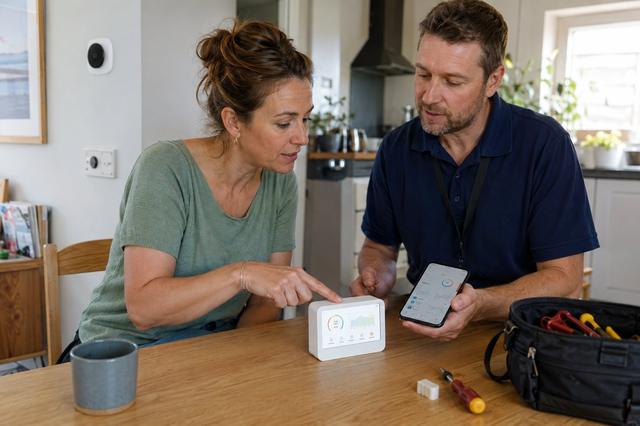
SMART HOME ENERGY CONTROLLER
Householders, electrical installers, energy advisers and channel teams test a tabletop controller and companion app. The decision is whether set-up, savings claims and installation are ready for a pilot.
REPAIRABLE WIRELESS EARBUDS
Consumers, electronics retailers, repair technicians and warranty teams examine an earbud and charging-case prototype. The decision is whether repairability works in practice and makes commercial sense.
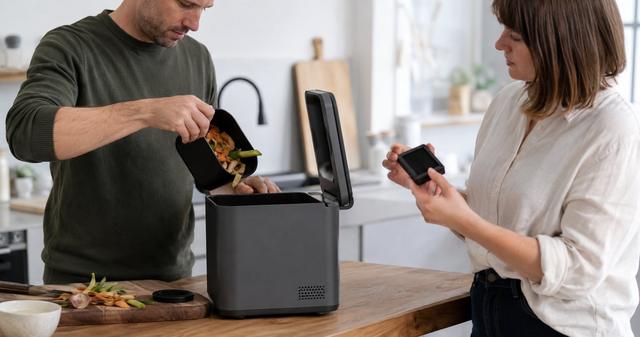
COUNTERTOP FOOD WASTE APPLIANCE
Households, appliance buyers, retail staff and after-sales teams use a compact kitchen prototype. The decision is whether cleaning, noise, storage and replacement parts weaken the everyday proposition.
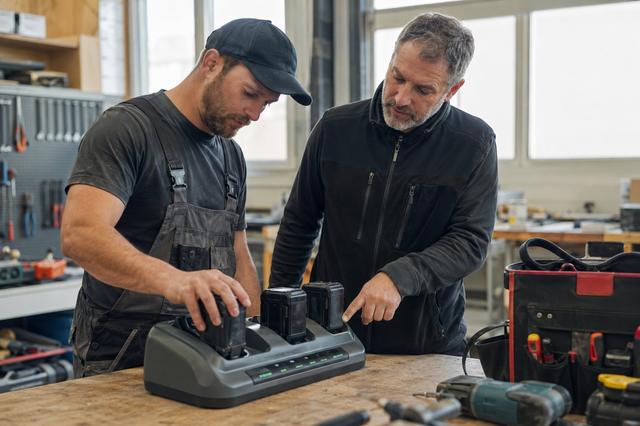
CORDLESS TOOL BATTERY DOCK
Tradespeople, site supervisors, tool distributors and service technicians test a charging and battery-management dock. The decision is whether its status signals and workflow remove enough friction to earn adoption.