R&D & INNOVATION / PRIMARY RESEARCH
Engineering
Feasibility Research
Independent technical investigation to decide whether a proposed solution can be engineered credibly before major development commitments.
START WITH
A technical proposition
EXAMINE
Constraints and failure routes
DECIDE
Proceed, reshape, test or pause
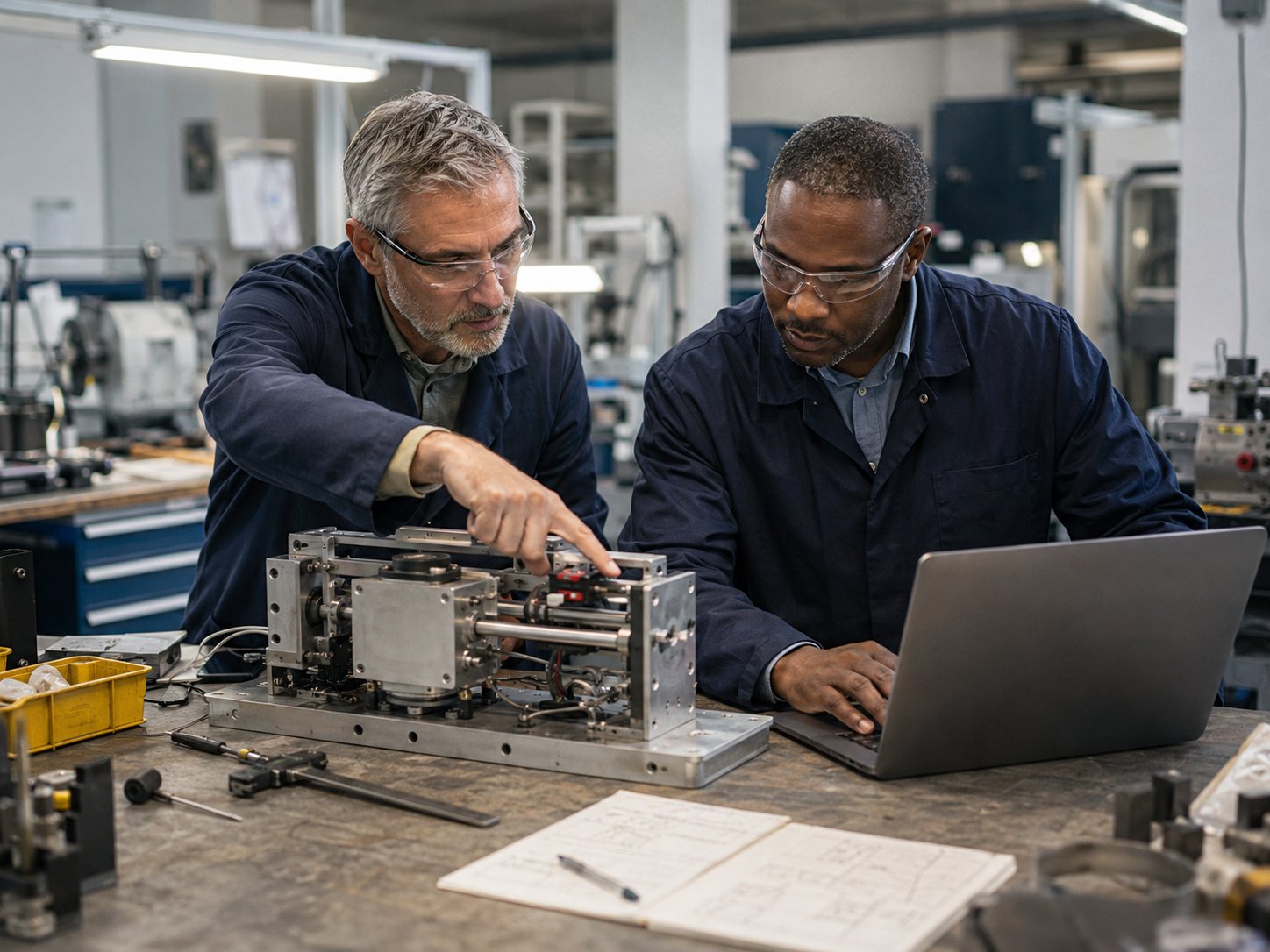
The decision this service supports
Whether a proposed product, technology, component, process or system has a credible engineering route forward, what must be resolved first, and which next evidence step is proportionate to the risk.
When Feasibility Research Creates Value
Engineering Feasibility Research is valuable when the question is broader than whether a single prototype works. It helps a team understand the conditions required for a concept to function as an engineered solution, including dependencies that are easy to miss in early development.
- Before allocating a substantial design, pilot, tooling or scale-up budget.
- When a promising concept depends on unfamiliar materials, interfaces, production conditions or operating environments.
- When several architecture routes are plausible but the technical trade-offs have not been made explicit.
- After an early test, expert discussion or market signal raises a credible engineering concern.
- When the team needs to decide which assumption deserves a focused proof-of-concept, external test, supplier discussion or redesign.
The Feasibility Decision Canvas
Rather than begin with a generic technical checklist, we map the assumptions that must hold together for the proposition to be practical. The canvas is a decision aid, not a formal design verification record.
FUNCTION
What must happen?
Required performance, operating envelope, inputs, outputs and interfaces.
CONSTRAINTS
What could limit it?
Thermal, mechanical, material, data, safety, manufacturability, cost or supply constraints.
EVIDENCE GAPS
What is still unknown?
Assumptions that need calculation, specialist review, a focused experiment or a controlled external study.
DEVELOPMENT ROUTE
What happens next?
A defensible sequence of design work, targeted validation, provider engagement or a decision to pause.
What We Investigate
Feasibility lens | Typical questions |
|---|---|
Technical architecture | Can the components, materials, controls and interfaces work together under the intended conditions? |
Operating reality | What loads, variability, environments, users or maintenance conditions change the answer? |
Build and scale route | What makes the concept difficult to prototype, produce, assemble, source, inspect or service? |
Risk and evidence | Which assumptions are critical, how could they fail, and what evidence would reduce uncertainty fastest? |
How the Research Is Delivered
Each engagement is scoped around a defined technical decision. The research may combine targeted engineering interviews, supplier or operator input, technical literature and standards review, patent and product evidence, requirements analysis, specialist consultation, and where justified, a focused external experiment or assessment. The mix is tailored to the uncertainty, not selected from a fixed package.
Working stage | What happens | Decision checkpoint |
|---|---|---|
Frame | Translate the proposition into a feasibility question, boundary conditions and decision criteria. | Agree the evidence boundary. |
Challenge | Identify assumptions, interfaces and failure hypotheses that need independent scrutiny. | Prioritise critical unknowns. |
Investigate | Gather targeted technical and operational evidence from suitable sources and contributors. | Review emerging constraints. |
Resolve | Compare routes, define remaining gaps and recommend the next proportionate action. | Proceed, reshape, test or pause. |
Who May Contribute
Contributors are selected for the problem at hand. The programme can involve client engineering and quality teams alongside carefully selected external design engineers, material or process specialists, component suppliers, contract manufacturers, laboratory scientists, systems integrators, installers, service teams, operators, regulators or standards specialists. Their role is to inform the feasibility decision, not to substitute for formal design authority or certification.
External Capability Boundary
How external work is handled
August Research does not own laboratories, factories, pilot plants or manufacturing centres. Where a feasibility question requires a specialist test, rig, simulation, analysis or process capability, we identify and coordinate suitable external providers against the project requirements. The chosen provider remains responsible for its methods, operations, quality systems and formal reporting.
What the Client Receives
Output | What it enables |
|---|---|
Feasibility framing brief | A clear engineering question, assumptions, constraints and decision criteria. |
Critical-assumptions register | The high-impact unknowns, potential failure routes and evidence required to address them. |
Options assessment | A comparison of technically credible routes, dependencies, trade-offs and practical constraints. |
Next-evidence plan | A focused recommendation for design work, proof-of-concept, external testing, supplier engagement or further investigation. |
Executive technical readout | A decision-ready explanation of what is feasible now, what is conditional, and what should not yet be assumed. |
Indicative Delivery
A focused feasibility engagement may take approximately 3 to 7 weeks. Broader investigations involving niche contributors, external capability scouting, laboratory input or complex technical documentation can take longer.
Note:
Timelines, methods, contributors and possible outputs are illustrative. Primary research timing is subjective to stakeholder response, information availability, specialist access, product maturity and project scope. This service does not itself establish certification, regulatory approval, formal design verification or a universal performance claim.
Why August Research
WHY AUGUST RESEARCH
Decision first
We start with the commitment at stake, so the work focuses on uncertainties that could change it.
WHY AUGUST RESEARCH
Weak-link thinking
The assessment seeks the constraint most likely to prevent a technically attractive concept from becoming workable.
WHY AUGUST RESEARCH
Evidence, not advocacy
We distinguish a plausible route from a demonstrated one and keep conditions and limitations visible.
WHY AUGUST RESEARCH
Connected next step
The output leads cleanly into a targeted proof-of-concept, provider search, product test or redesign brief.
Frequently Combined With
- Proof-of-Concept Evaluation
- Product Testing & Validation
- Technical Expert Panels
- Technology Landscape Analysis
- Patent Landscape Research
- Regulatory & Standards Intelligence
Frequently Asked Questions
Question | Answer |
|---|---|
Is this an engineering-design service? | No. We investigate feasibility and coordinate relevant inputs. The client and selected engineering providers retain design authority. |
Does feasibility research include a prototype? | It can recommend or coordinate a targeted proof-of-concept, but may conclude that the proposition should be reshaped before a prototype is justified. |
Can external laboratories or manufacturers be involved? | Yes, where their capability is relevant. They are selected against the specific project requirement and remain responsible for their own technical work. |
Is this the same as a technical expert panel? | No. A panel gathers structured expert judgement. Feasibility Research turns multiple evidence streams into an engineering route, a risk register and a next-step decision. |
Illustrative Engagements
These hypothetical examples will appear as independent Phase 2 website panels. They demonstrate different feasibility questions and do not represent real client outcomes.
ILLUSTRATIVE
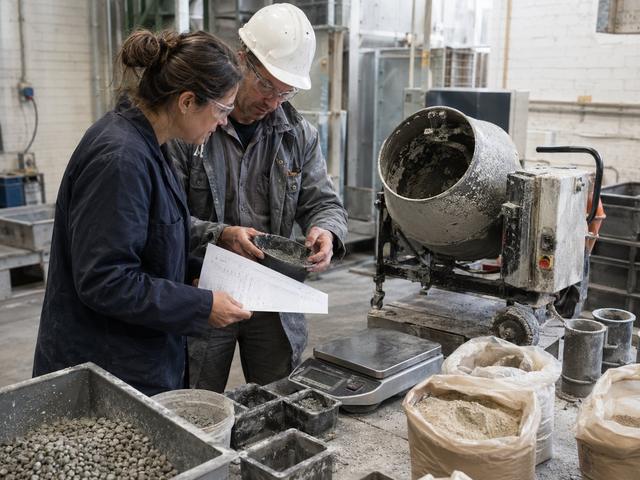
Low-carbon construction input
Could a novel mineral additive be processed consistently within existing concrete workflows before pilot investment?
ILLUSTRATIVE
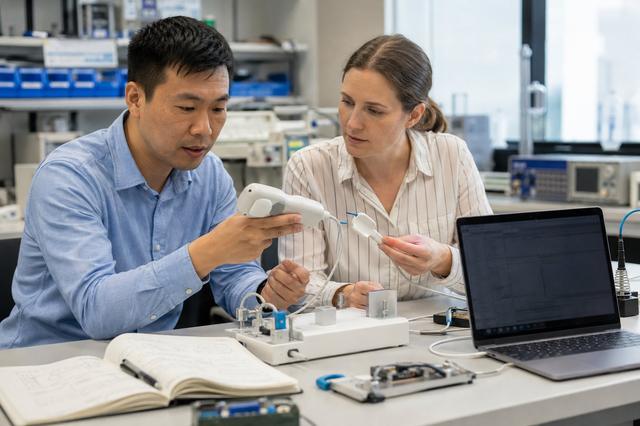
Connected medical-device accessory
Can a proposed accessory meet the mechanical, electrical and cleaning constraints of the intended system?
ILLUSTRATIVE
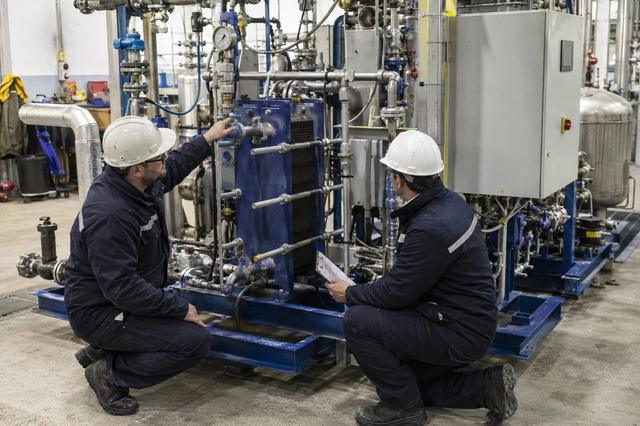
Industrial heat-recovery module
Which technical architecture has a credible route through variable process loads and limited installation space?
ILLUSTRATIVE
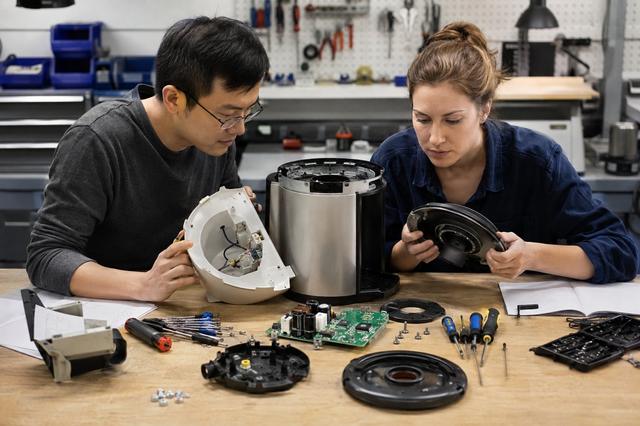
Repairable consumer appliance
What must change for a repairable product proposition to be practical for manufacturing, service and end users?
Research Basis
The service is informed by established systems-engineering, design-risk and technology-readiness practices. Depending on the sector and question, project research may consider requirements engineering, design failure-mode analysis, verification planning, applicable standards, supplier capability, operational constraints and technology-readiness evidence. The applicable sources and any regulatory implications would be confirmed during scoping.
Let’s Discuss Your Project
Start with the engineering decision
Tell us what you are considering, the constraints you already know, the commitment you need to make and the evidence you have today. August Research can shape a feasibility investigation around the questions that matter before the next development step.