
KEY OPINION LEADER INTERVIEWS
Evidence Priorities for a Remote Cardiac-Monitoring Service
THE DECISION
What clinical, workflow and evidence conditions must be met before influential care stakeholders regard a remote cardiac-monitoring service as ready for broader adoption?
The Context
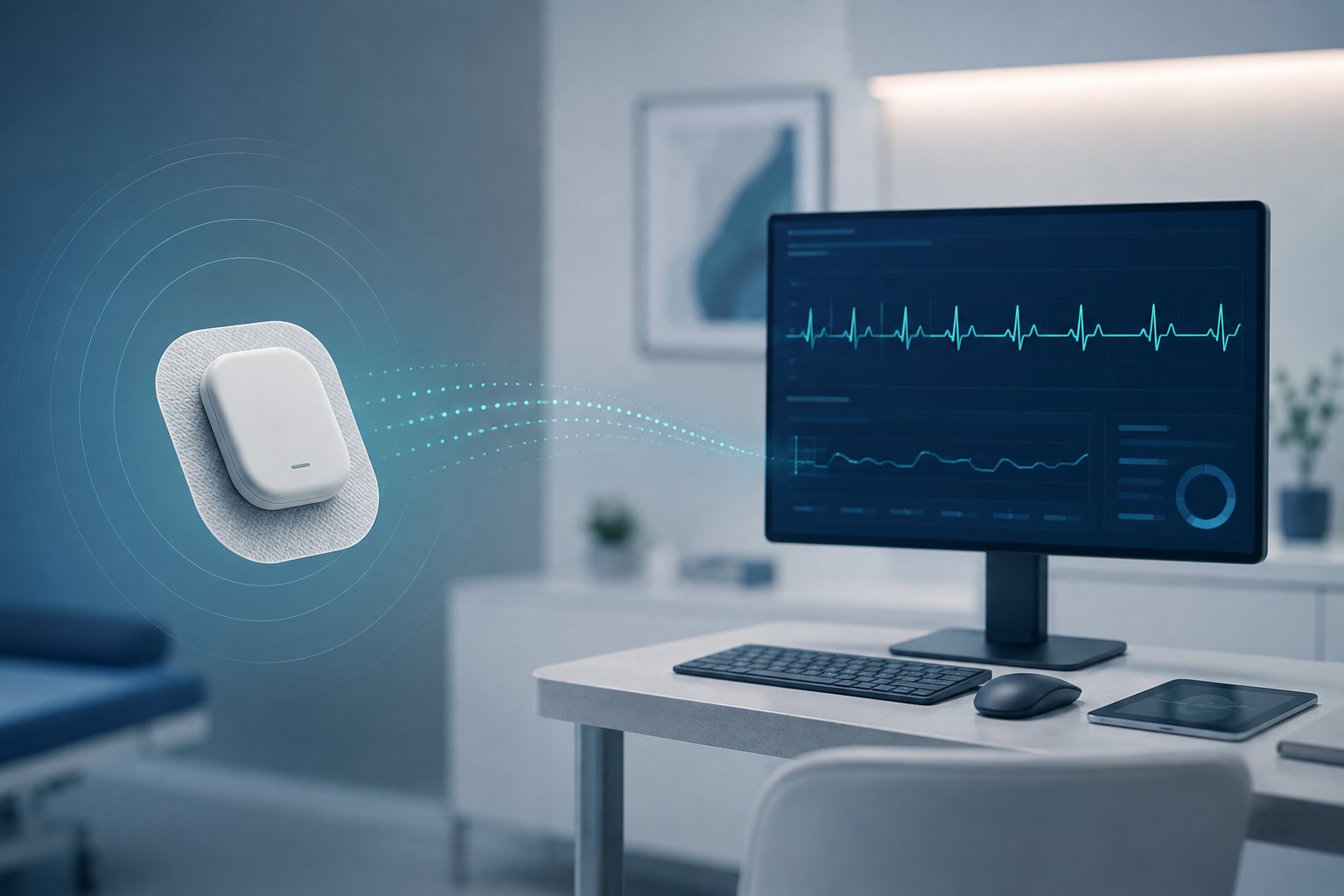
A hypothetical health-technology developer has built a remote cardiac-monitoring service that combines home data capture, automated triage and clinical follow-up. Before expanding beyond early deployments, the team needs to understand what cardiology, care-delivery and evidence leaders would require before treating the service as clinically credible and operationally workable.
What August Research Was Asked to Clarify
- Which patient groups and care settings offer the most defensible first use case?
- What evidence would clinicians need before relying on alerts or changing follow-up pathways?
- Which workflow, reimbursement, privacy or equity concerns could prevent uptake?
- Which KOL communities should shape the initial evidence and engagement plan?
How the KOL Group Was Selected
The KOL group was selected for direct experience with clinical pathway design, remote monitoring adoption and health-system evidence requirements. The aim was to test credibility at the point where clinical value meets everyday care delivery.
Shared specialist background
Experience in cardiovascular care, remote monitoring, clinical evidence or health-system implementation.
Decision relevance
Each role could test a clinical, operational, policy or patient-access condition affecting adoption.
Care-pathway representation
The group covered the clinician, service-delivery and patient-support perspectives around ongoing cardiac care.
Independent challenge
Candidates were screened to avoid a panel of technology advocates or users of one vendor system.
Illustrative Evidence-to-Adoption Ladder
The visual maps the route from a promising monitoring concept to a service that care teams can use and trust.
CLINICAL NEED
EVIDENCE
WORKFLOW FIT
SUSTAINED USE
Illustrative pathway visual: evidence must progress alongside workflow and patient-access readiness.
KOL Perspectives Brought Into the Engagement
Cardiology pathway leader
Tests clinical relevance, alert thresholds and where monitoring can improve care rather than add noise.
Digital-health implementation lead
Tests integration with care teams, escalation workflows and the practical burden on staff.
Outcomes and evidence specialist
Tests study design, endpoints and evidence expectations for broader clinical confidence.
Patient-access advocate
Tests usability, equity, consent and the conditions that support sustained engagement.
Payer or policy adviser
Tests value demonstration, reimbursement logic and institutional barriers to scale.
Illustrative KOL Signal Map
The signal map distinguishes enthusiasm for remote care from the evidence and operating conditions that make a monitoring service credible.
Signal area | Illustrative KOL view | Implication for the next move |
|---|---|---|
Clinical fit | Useful where the service addresses a defined care gap and escalation logic is clear. | Start with one patient pathway, not a broad chronic-care proposition. |
Evidence threshold | KOLs will expect relevant outcomes and a transparent safety process. | Build the first study around clinical and workflow outcomes together. |
Operational readiness | Adoption can fail if alerts add work without ownership. | Define triage ownership, response standards and staff training before expansion. |
Influence and Adoption Blueprint
1. Define the first pathway
Choose one patient segment and care setting with a clear monitoring gap.
2. Align proof and workflow
Test outcomes, alert burden and ownership within the same pilot.
3. Engage the right clinical voices
Prioritise pathway leaders, implementation specialists and patient-access perspectives.
4. Build evidence before scale
Use early evidence to refine claims, engagement and reimbursement discussions.
Illustrative Output
August Research would provide a KOL Influence and Adoption Brief that records the stakeholder roles consulted, the proof requirements they surfaced, adoption friction, priority engagement opportunities and a recommended path to the next credible action.
Note: Findings are illustrative and conditional. They are not presented as real client outcomes.
Let’s Discuss Your Project
If your connected-care service needs to earn confidence from clinicians, health systems and patients, August Research can design a KOL Interview programme around the evidence and workflow conditions that matter most.
External context is used only to shape this hypothetical illustration. No external data is presented as a client finding.