PROTOTYPE FEEDBACK STUDIES | REGULATORY-LED ILLUSTRATION
Can a repairable earbud system be understood before it is engineered for scale?
A hypothetical decision study for a consumer-electronics team considering a serviceable battery route for a true-wireless earbud system.
DECISION
Advance the repair architecture to engineering validation, or revise the access route, parts model and instructions before committing to tooling.

The prototype under review
An early true-wireless system with a 650 mAh charging-case pouch cell behind a labelled access panel secured by two captive T3 screws. Each 60 mAh earbud cell sits in a service-only pilot tray. The prototype includes a QR-linked repair route, but has no final ingress rating, acoustic-performance claim or final service pricing.
Regulatory decision context
Article 11 of the EU Batteries Regulation applies from 18 February 2027. This illustration tests whether a credible user or independent-repair route could support a future EU design direction. Legal applicability, exemptions and conformity requirements require product-specific assessment and are outside this research.
Repair-route stress test
Instead of asking whether participants “like” repairability, the work observes where a plausible repair journey loses confidence.
Can a user identify a battery-related fault without opening the product?
Does the guide set out a clear user, repair-partner or return path?
Are screws, panel and tool requirements proportionate to the product?
Can the route communicate reassembly, safety and post-repair checks?
Does the parts-and-price scenario feel more credible than replacement?
Who we would speak with
- 10 frequent wireless-earbud users, deliberately mixed by upgrade, loss and replacement history.
- 5 independent repair technicians familiar with small consumer electronics.
- 4 retail or advice roles who explain warranties, accessories and returns.
- 4 customer-support or warranty practitioners with a view of common failure journeys.
How the feedback is gathered
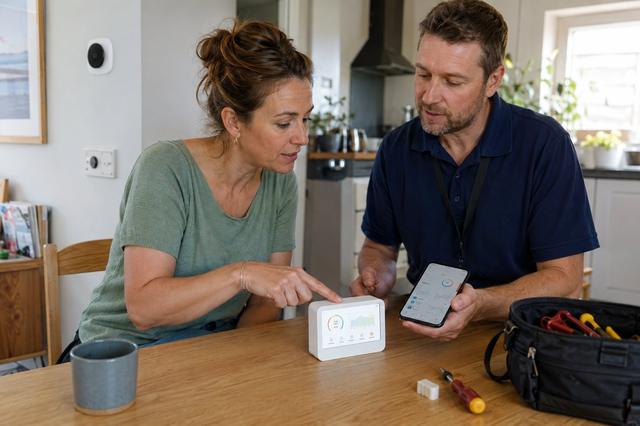
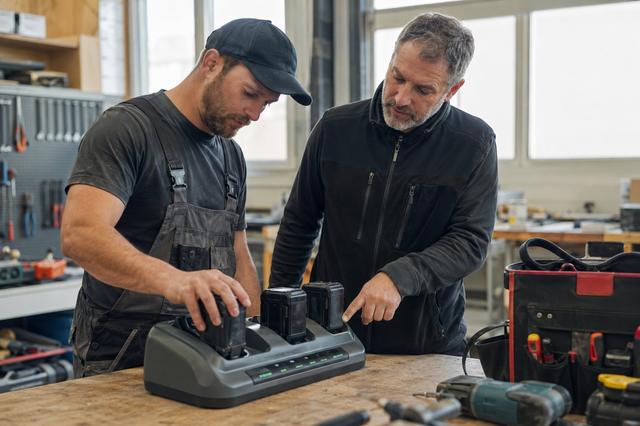
Moderated handling sessions combine a fault scenario, guided access attempt, repair-partner alternative and a parts-price decision. Observers record hesitation points, language participants use and the moment at which confidence is gained or lost.
Feedback Capture and Triangulation
Participants complete a short structured form after the handling task, either on a device or on paper where the setting calls for it. Follow-up interviews explain the reason behind each response. August Research then compares form responses, observed behaviour and perspectives from users, repairers, retail and support roles to distinguish a repeated friction point from a role-specific concern.
Decision-ready output
- Repair-route decision brief, separating end-user, independent-repair and return-to-service routes.
- Access-point requirements: fastener choice, panel cues, tool expectation and reassembly safeguards.
- Parts and price communication card, including the information required before a consumer commits.
- Regulatory assumptions log to hand from research into legal and engineering review.
Illustrative Timing
TIMING
5 to 7 weeks from agreed prototype and recruitment brief. Illustrative project assumptions only.
Primary-research timelines are indicative and depend on participant/provider availability, response times, scope complexity and availability of inputs/materials.
Reference Point
Regulation (EU) 2023/1542 on batteries and waste batteries, Article 11; European Commission guidance on removability and replaceability of portable batteries, accessed August 2026.
Let’s Discuss Your Project
We can shape the prototype, participant mix and decision threshold around the product question that needs resolving next.
Note: This is a hypothetical illustrative engagement. It does not describe a client project or represent client outcomes.