PHASE 2 | TECHNICAL DOCUMENTATION DEVELOPMENT & REVIEW | ENGAGEMENT 05
Creating technical literature for a dust-suppression additive used across contrasting mine conditions
How a mining-chemicals supplier could convert dispersed field experience into application guidance that reflects site conditions and responsible use.
THE DECISION
How should the documentation describe an additive’s role and application method without turning site-specific observations into a universal dust-control promise?
CLIENT PROFILE
Hypothetical supplier of dust-suppression additives for mine roads and material handling
DOCUMENT SET
Application guide, product page, technical brochure, site trial template, distributor brief
PRODUCT CONTEXT
Additive used across haul roads, stockpiles and selected conveyor-transfer areas
DECISION HORIZON
Revised technical literature for mining customers and channel partners
RESEARCH EMPHASIS
Site conditions, application methods, claim boundaries, responsible-use language
AUDIENCES
Mine operators, EHS teams, site engineers, distributors, procurement teams
The situation
A mining-chemicals supplier has built a product story from site trials, technical-sales observations and application recommendations developed over several years. The material is useful but inconsistent. Some documents imply that one dosage or dust-reduction outcome applies across haul roads, stockpiles and conveyor areas, even though water chemistry, road material, traffic intensity, weather and application method can materially change results. The company needs technical literature that helps a site team ask better questions before a trial or procurement decision.
METHODOLOGY
How the technical evidence is made release-ready
The review treats site conditions as part of the technical content. It links each use-case statement to the operating factors that influence it, then turns those factors into a practical site-information and application-guidance structure.
01 Build the use-case taxonomy
Separate haul-road, stockpile and material-handling situations; identify the technical objective, application approach and site owner for each.
02 Collect site-condition evidence
Bring together trial protocols, water analyses, soil or road-material notes, traffic levels, meteorological context, application logs and inspection records.
03 Test the claim language
Classify statements as product properties, application guidance, site observation, expected workflow impact or unsupported performance promise.
04 Create condition-led guidance
Write intake questions, dosage logic, curing or reapplication considerations, monitoring suggestions and limitations for the relevant site context.
05 Align responsible-use language
Ensure the technical literature gives EHS, operational and procurement readers a transparent view of what needs site review before use.
BUILD THE USE-CASE TAXONOMY
controlled source
TEST THE CLAIM LANGUAGE
condition check
ALIGN RESPONSIBLE-USE LANGUAGE
release wording
The exact source set and technical fields are defined at project start. The process is designed to make document decisions traceable to evidence rather than to informal product memory.
EXAMPLE OUTPUT
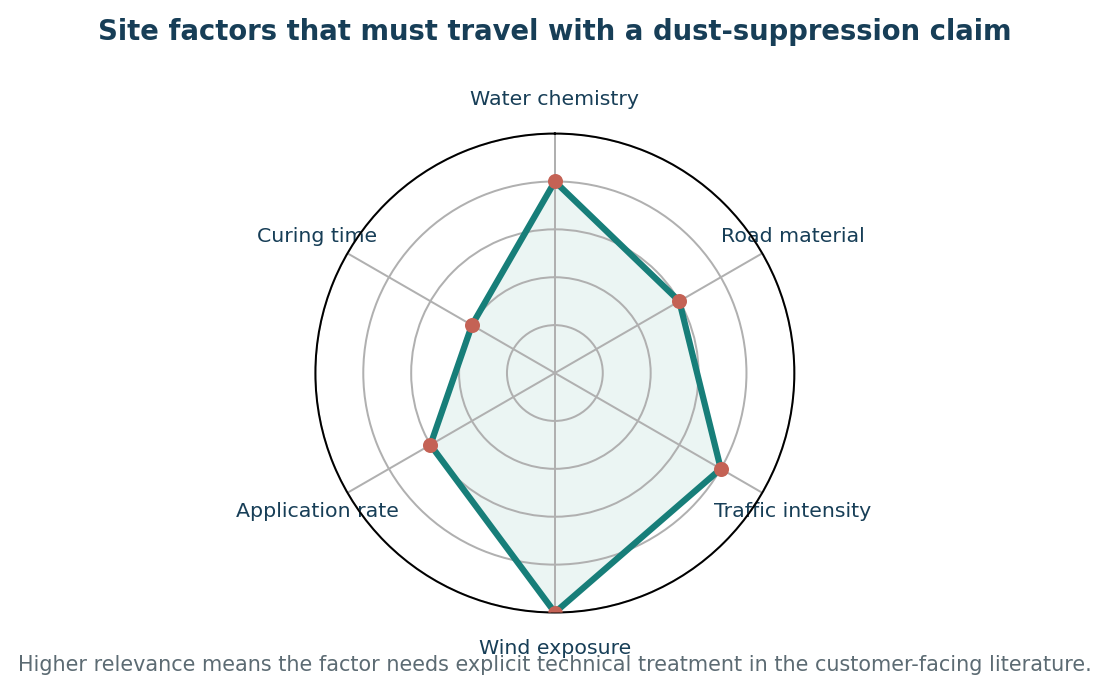
Site-conditioned claim map
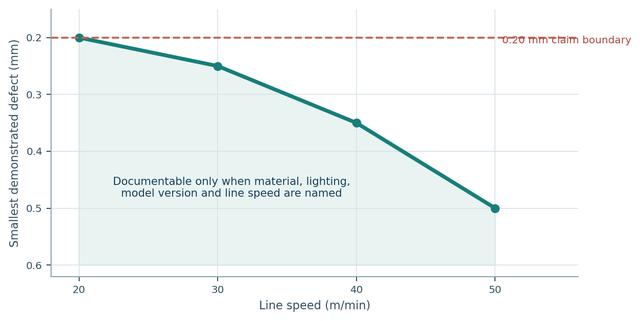
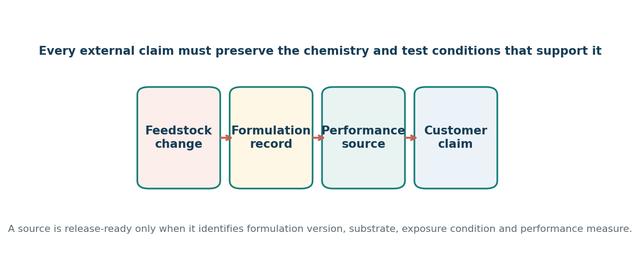
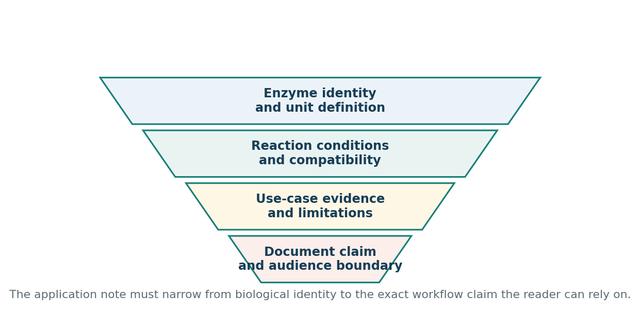
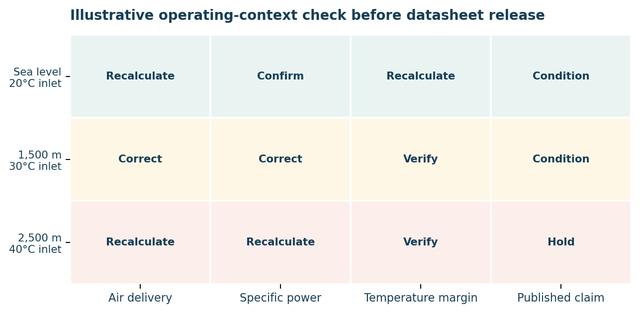
The visual turns field complexity into a useful documentation device. It shows a mine operator which factors must be known before application guidance or a performance statement is interpreted.
PRACTICAL TECHNICAL GUIDANCE
Use-case and application language that directs a site to the key conditions, rather than suggesting one generic dosage or outcome.
CLEAR EVIDENCE BOUNDARY
A distinction between controlled product properties, site observations and questions that need a scoped field trial or technical review.
WEBSITE PRESENTATION SUGGESTION
Use the graphic as an interactive evidence layer on the full engagement page. A reader can select a condition, workflow stage or site factor to see the exact document language it governs, rather than reading a generic process diagram.
DECISION AND HANDOVER
What the client receives
The work ends with an aligned document suite and a working evidence file. Both are designed for the people who must approve the language and the people who must use it in technical, commercial and customer-facing settings.
APPLICATION-GUIDANCE SUITE
Product page, brochure and site guide with factor-led language for the target mining use cases.
SITE-INTAKE TEMPLATE
Structured questions for water, substrate, traffic, weather, application method and monitoring approach.
EVIDENCE AND GAP LOG
Traceable source inventory with decisions on what can be released, qualified, tested or removed.
Indicative delivery
A field-informed documentation review could take approximately 5 to 7 weeks: document and field-source collection, condition mapping, draft development and technical review. Timing is illustrative and depends on access to trial records, site information and relevant technical owners.
LET'S DISCUSS YOUR PROJECT
When technical literature has grown across reformulations, experiments, operating environments or customer requests, August Research can help establish the evidence boundary and prepare documentation that a technical team can stand behind.
Note: This engagement is hypothetical. The client profile, technical details, figures, timeline, findings and outputs are examples only and do not represent client outcomes. The final approach is shaped by the available evidence, product maturity and approval requirements.